
Troubleshooting and Pro Tips

layout easyshedplans.com

Floor & Foundation

* Pad looks level, but doors stick: Re-check the square. Measure platform diagonals; shim skids or plane high spots until equal. Confirm joists don’t twist under the sheathing.

Water puddles near edges: Build the gravel pad higher and feather the surrounding grade away; add an extra 1–2 in of compacted gravel.

Piers out of plane: Snap a level reference line across tops; grind high spots or shim post bases with approved materials.

Wall Framing

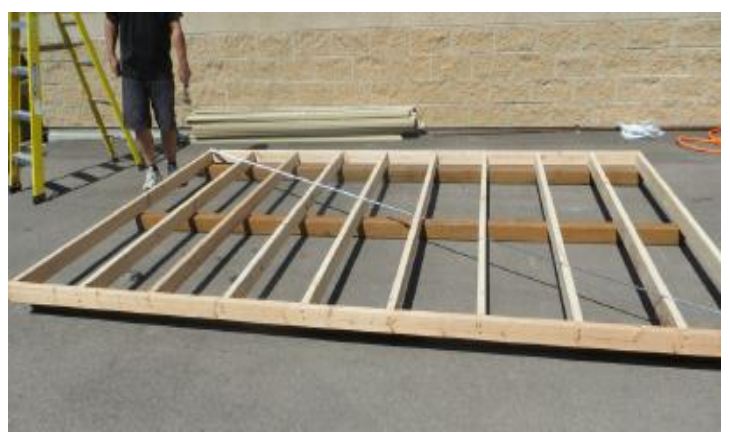
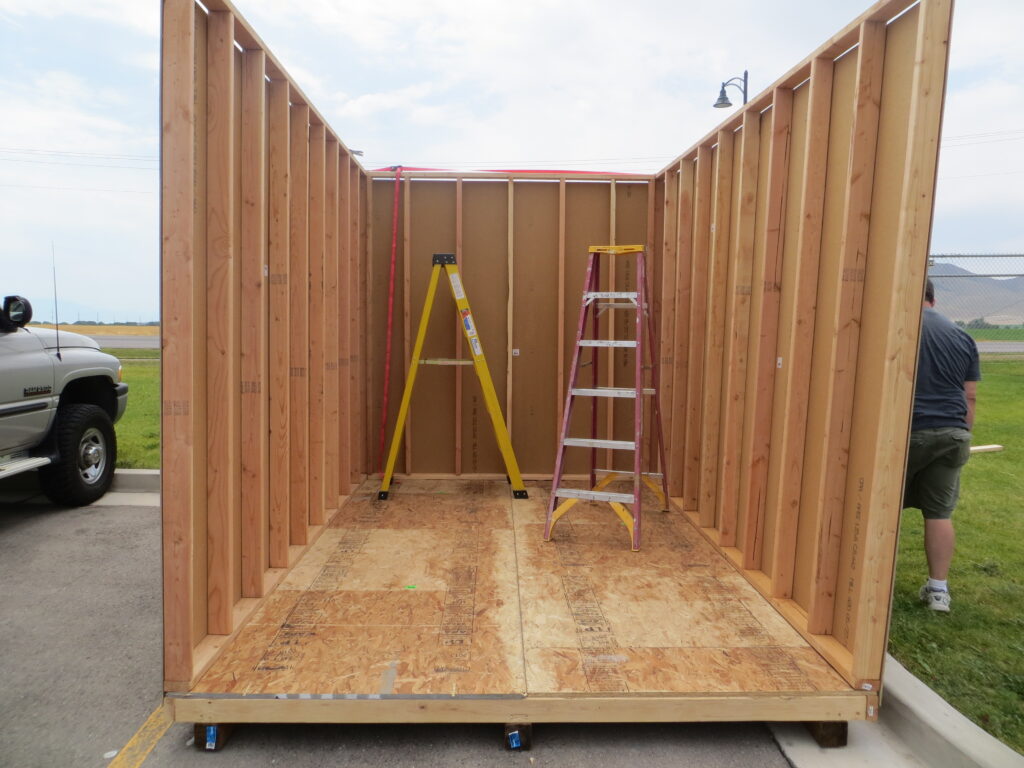
Wall won’t plumb: Check for crowned bottom plate or uneven floor; shim under the low stud bays and re‑brace.

Corners don’t meet flush: Verify plate lengths and stud layout; adjust and clamp, then re‑nail.


Opening too tight or skewed: Confirm RO against unit; re‑shim trimmers until diagonals match.

wall framing easyshedplans.com
siding easyshedplans.com

Siding / WRB

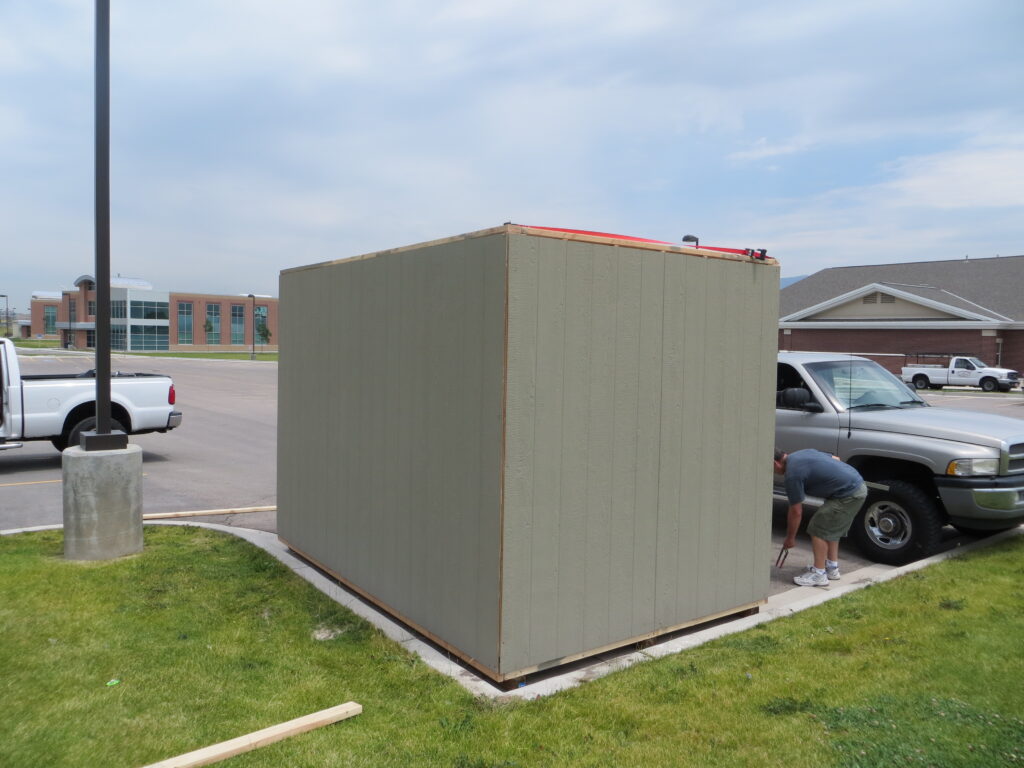
Wavy panels: Plane or shim studs; re‑fasten with correct edge/field pattern; keep panels gapped 1/8 in.

Lap courses ‘walk’: Re‑establish a level reference with a story pole; snap a new line and correct within 2–3 courses.

Leaks at openings: Re‑do flashing order: sill → jamb → head with head flashing under the WRB head flap.

level windows

Doors & Windows

Door rubs at top: Install a long screw through the top hinge into the stud; adjust shims at latch side; plane edge only if needed, and reseal.

Door won’t latch: Shift the strike plate slightly toward the stop; keep even 1/8 in reveals.

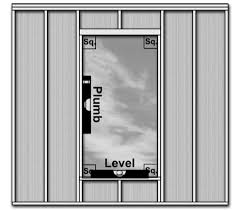
Window won’t square: Loosen fasteners on the tight diagonal; re‑shim and re‑fasten; re‑check sill level.

Roof Framing & Roofing

Problem → Fix
Rafters don’t sit flat: Re‑check birdsmouth; deepen seat minimally (maintain member depth) or correct plate height.

Fascia line waves: Snap a new line; plane high tails; reset sub‑fascia to line.

Shingles lifting: Verify nails in nailing zone; re‑seat; ensure starter adhesive at eave.

Metal oil‑canning or leaks: Avoid over‑tightening screws; use closure strips at eave/ridge; confirm panel alignment.

Roof Framing
types of roof vents

Ventilation & Moisture

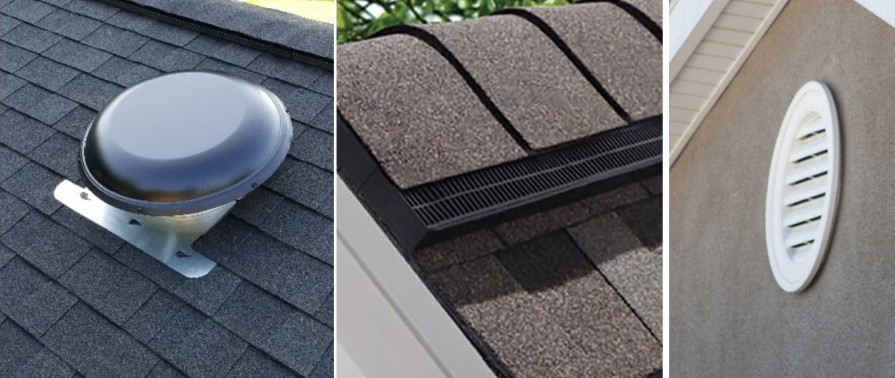
Condensation on underside of roof: Add balanced intake (soffit or low vent) and exhaust (ridge or high‑wall). Keep pathways clear of insulation.

Musty smell after rain: Check flashing at head of openings and at base/skirt; verify slope away from shed.

Pro Tips (From the Field)

Template once, repeat fast: Make a pattern rafter or master truss first and clone it.

Story pole for siding: Mark reveals on one stick, faster than measuring each course.

Chalk lines you can trust: Snap, then spray a light clear coat to keep lines visible longer.

Pre‑prime cut ends: Any raw wood edge gets primer immediately; paint sticks and lasts.

Stage hardware by step: Bag and label hinges, fasteners, and flashings for each stage to avoid mixing types.

Work ‘plumb‑to‑level’: Plumb walls first, then level floor/roof lines to that reference.

safety easyshedplans.com
nail pops

Fasteners & Hardware

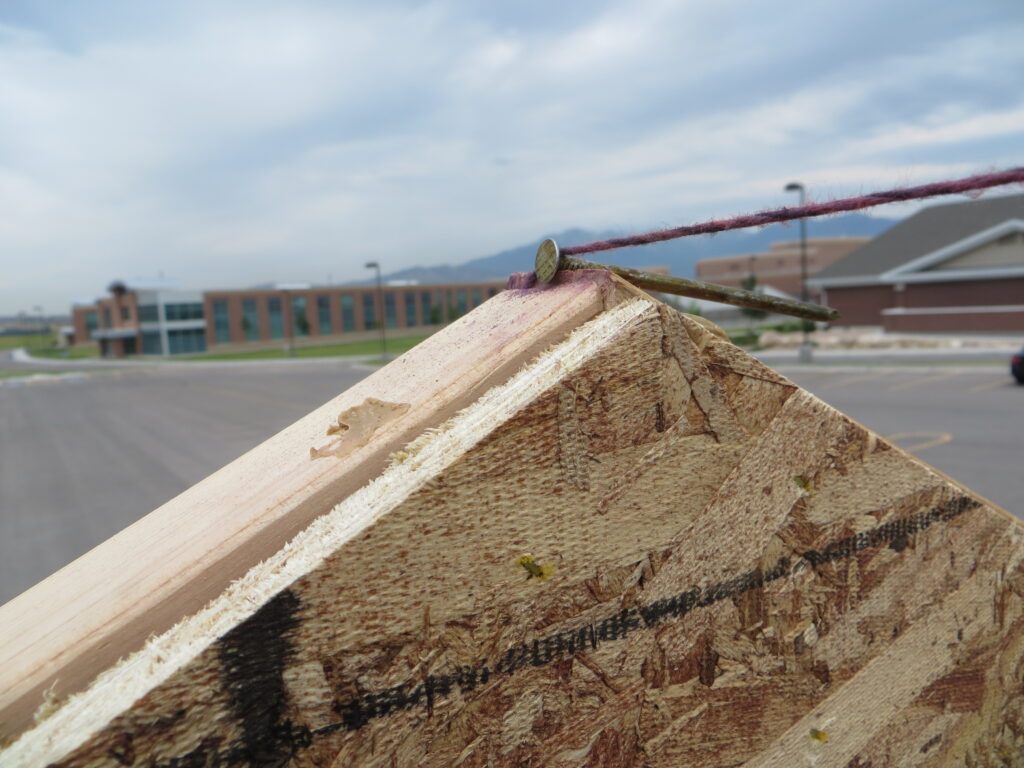
Nails backing out: Switch to exterior screws where appropriate; re‑nail with correct length and angle.

Stripped screw holes: Use longer screws or a plug/filler; don’t over‑torque into soft wood.

Squeaks at floor: Add screws at seams and joist lines; increase adhesive coverage next time.

Quick Reference

Square Check: Diagonals equal after floor and again after sheathing.

Fastener Schedule: Edges 6 in O.C., field 12 in O.C. unless plan says otherwise.

Flashing Order: Sill → Jamb → Head; head flashing under WRB head flap.

Vent Balance: Intake low, exhaust high; keep paths clear.

Explore

EASY Step‑by‑Step Build

Follow the sequence or jump to the step you need.

Scroll to Top