
Roof — Choose Your Style

What You’ll Learn

* How Gable, Lean‑To, Gambrel, and Modern roofs differ

* How to choose a roof pitch for your climate and style

* Typical overhangs, fascia, and vent choices for sheds

* What measurements you’ll need for the next page (rafters/trusses)

Tools for this step: Tape, pitch gauge or angle app, notepad, pencil, and level.

Storage Shed easyshedplans.com

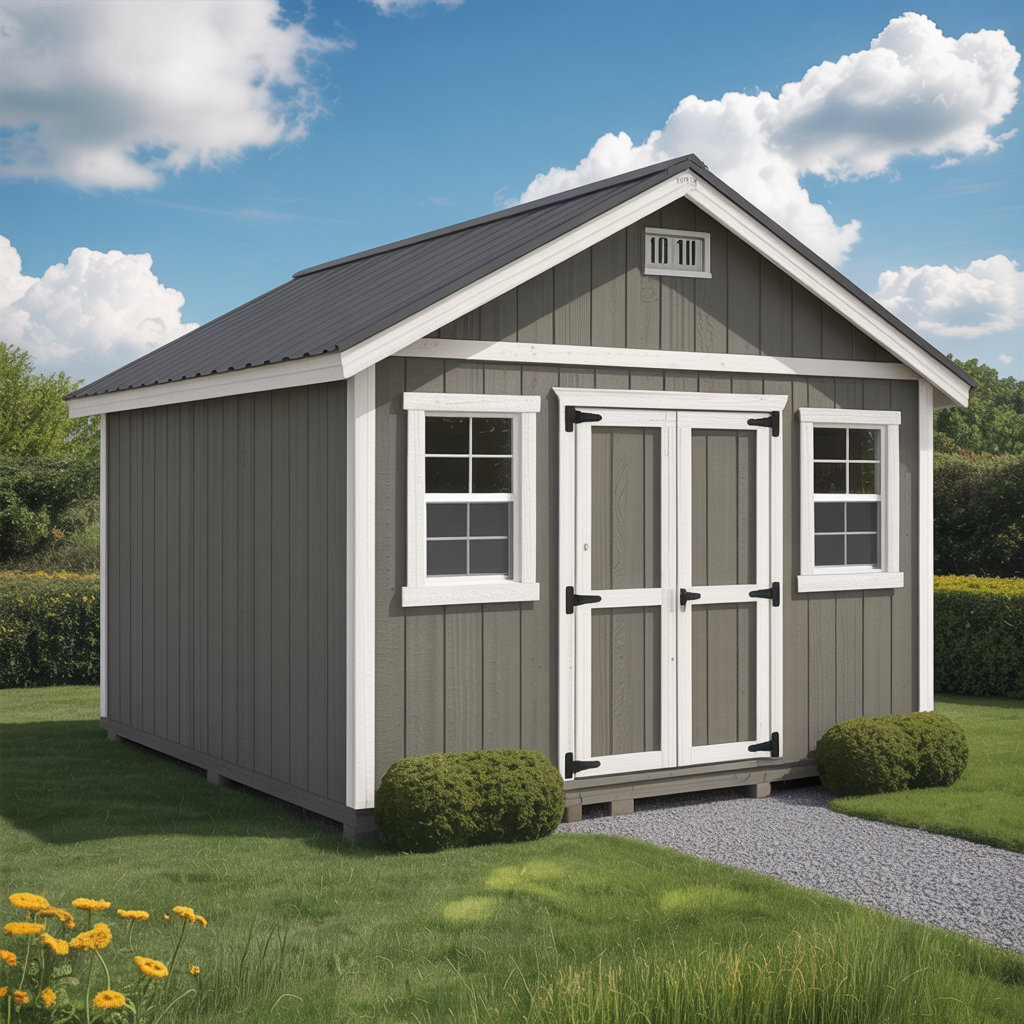
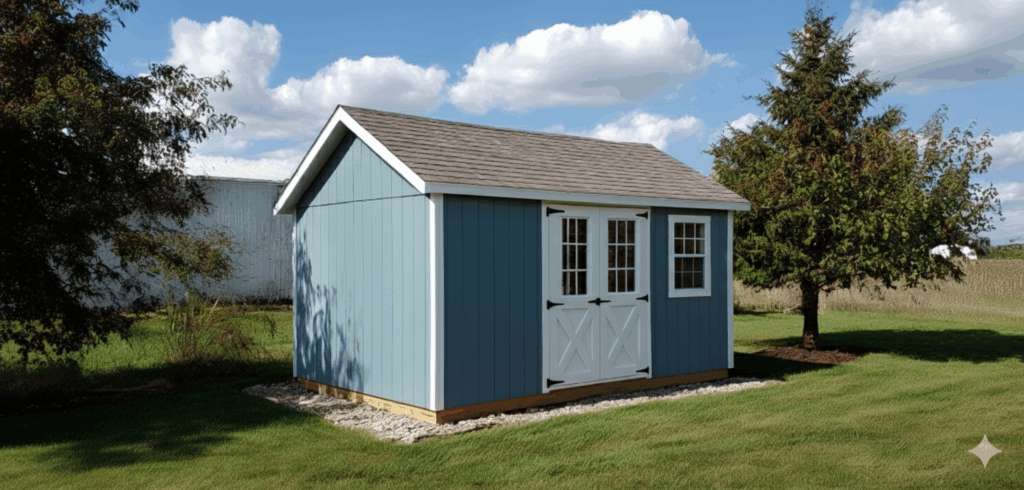
Gable (classic)

Look: Symmetrical peak, straight‑forward framing

Why choose it: Easy layout, good storage walls, great with ridge vent

Notes: Common pitches 4/12 to 8/12; simple eave + rake trim

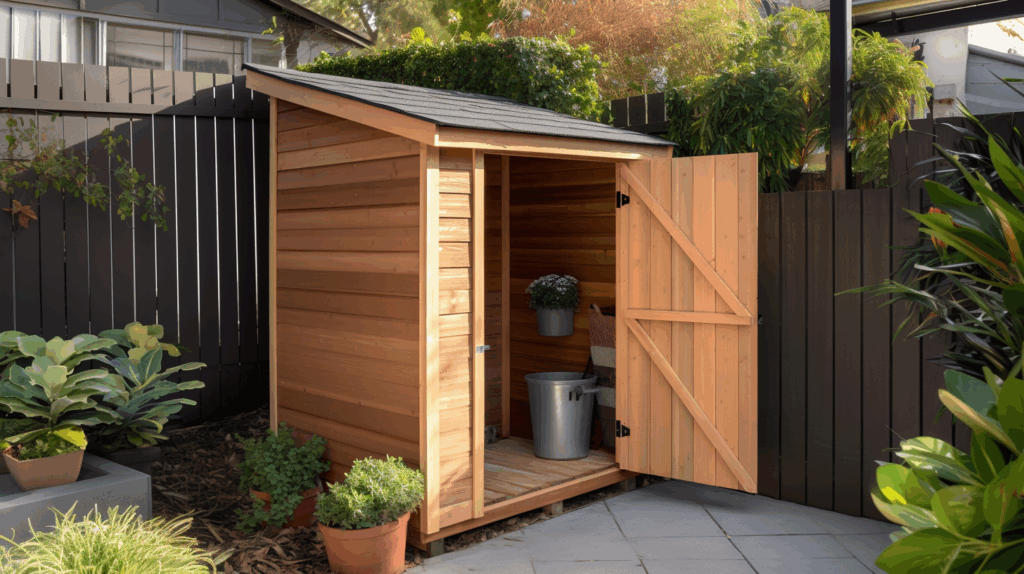
Lean‑To (single slope)

Look: High front, low back

Why choose it: Simple cuts, great against a fence or as an add‑on

Notes: Plan drainage carefully; vent at high wall if possible

lean to shed 1 easyshedplans
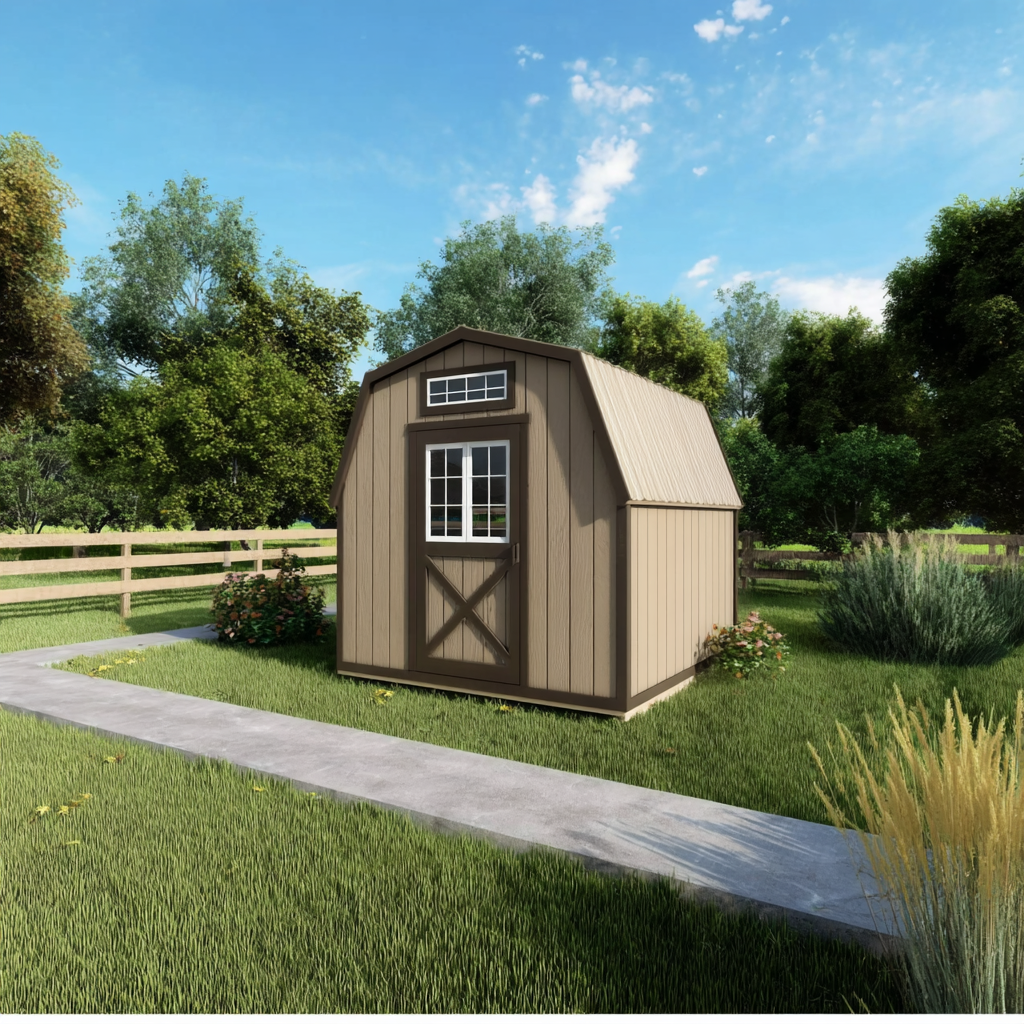
Barn Shed

Barn (Gambrel)

Look: Two slopes per side for extra headroom

Why choose it: More loft/storage volume without a full second story

Notes: Built with gusseted trusses; follow truss templates in your plan

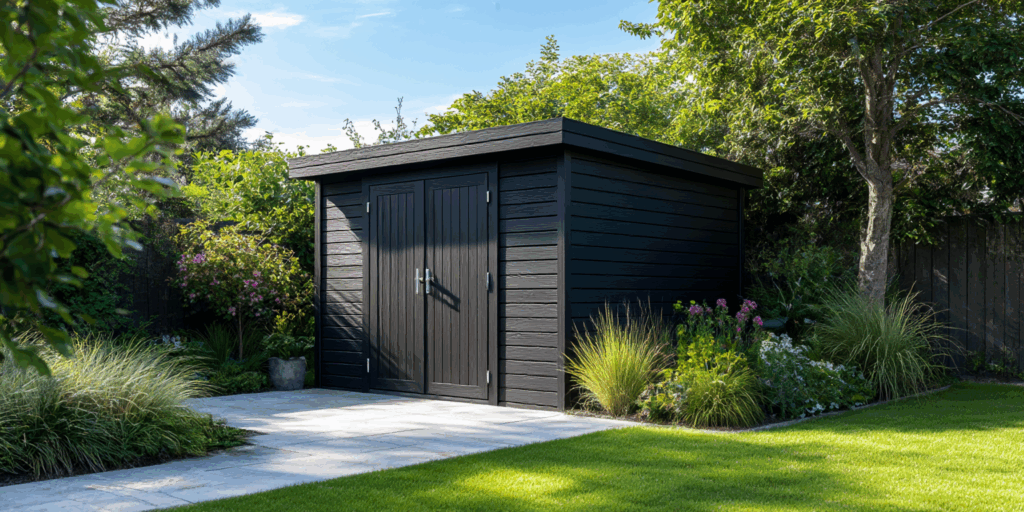
modern shed easyshedplans.com

Office/Studio/Modern (shed‑style variants)

Look: Clean lines, generous front elevation

Why choose it: Contemporary appearance, clerestory options

Notes: Often a low to moderate single‑slope; detail flashing carefully

Garden (Side-Entry)


Look: Door on the long wall with a gable roof

Why choose it: Flexible interior layout, easier shelving, and mower parking along the short wall

Notes: Same roof framing as gable; plan door header and window placement on the long wall; keep overhangs balanced on front/back elevations

8×12 garden shed plan pdf, side entry gable

Material Choices

Your plan set includes over 25 pages of detailed drawings and instructions plus a material list and tool list to match sizes and hardware.

Decking: OSB or plywood per plan

Underlayment: Synthetic felt or peel‑and‑stick at eaves/valleys (if any)

Roofing: Asphalt shingles or metal panels with matching fasteners

Flashings: Drip edge, head/sidewall flashings where roof meets walls

Building Options

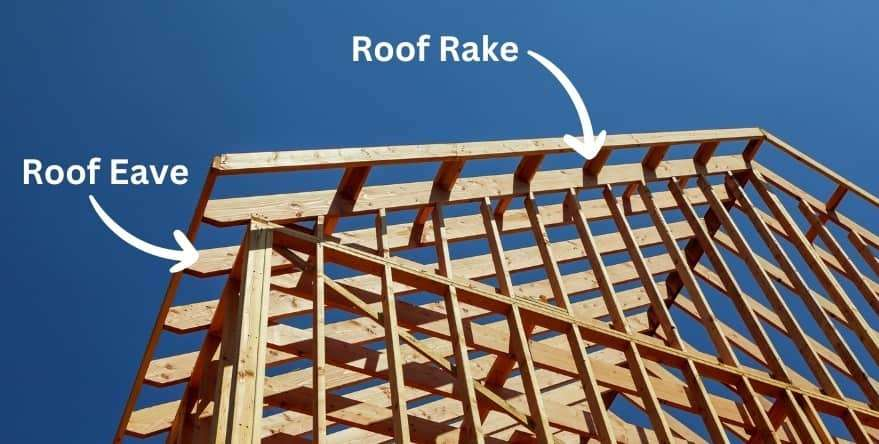
eaves

Overhangs, Eaves, and Rakes

Typical eave overhang: 6–12 in; helps keep walls dry
Rake overhang: 3–8 in; add lookouts for gable style when needed
Drip edge: Eave first, then rake; keep consistent reveal
Fascia: Sub‑fascia first, then finish fascia or wrap per your plan

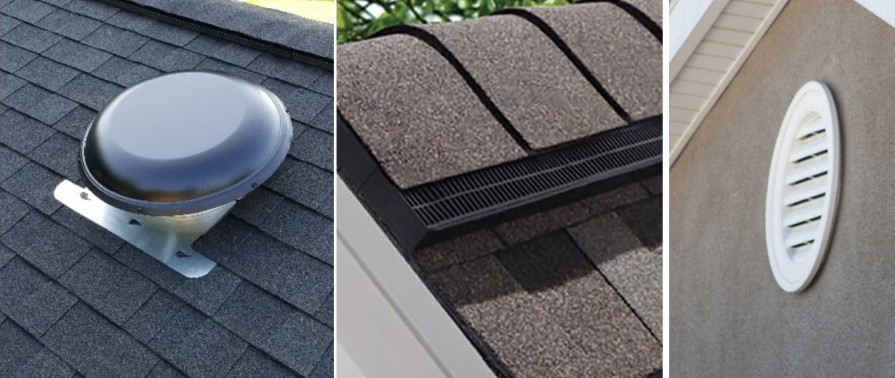
types of roof vents

Venting Options (Keep It Dry)

Ridge + soffit (gable): Balanced intake/exhaust; classic and effective
High‑wall vent (lean‑to/modern): Intake low, exhaust high
Gable vents: Simple and effective on small sheds without soffits

Explore

EASY Step‑by‑Step Build

Follow the sequence or jump to the step you need.

Scroll to Top