
Doors and Windows

What You’ll Learn

* Verify and lay out rough openings (RO) for doors and windows
* Choose between a pre‑hung door and a home‑built shed door
* Flash and set windows in the correct sill → jamb → head sequence
* Hang, shim, and latch a door that closes without rubbing

Time: Half day to one day, depending on door type and number of windows.

Tools: Tape, square, level, drill/driver, nailer/screws, shims, utility knife, sealant, caulk gun, pry bar, PPE.

Rough Openings (RO) — Get These Right First

Rough Openings (RO) — Get These Right First

1. Confirm sizes
Check the exact RO from your window/door manufacturer. Do not guess.

2. Frame the opening
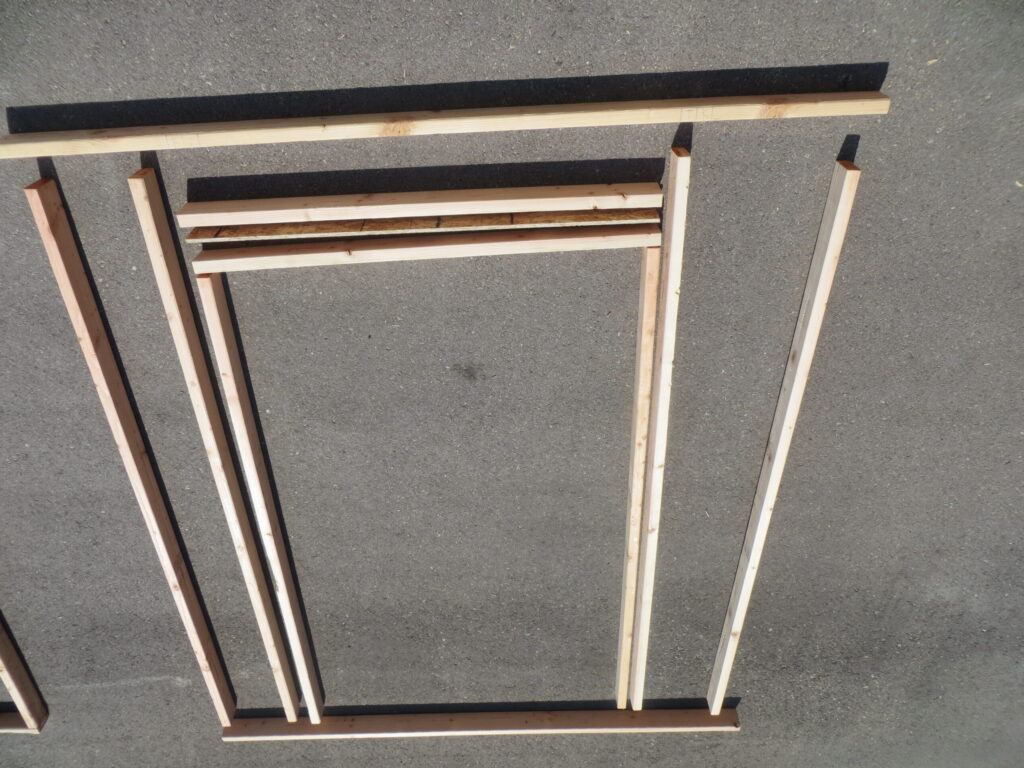
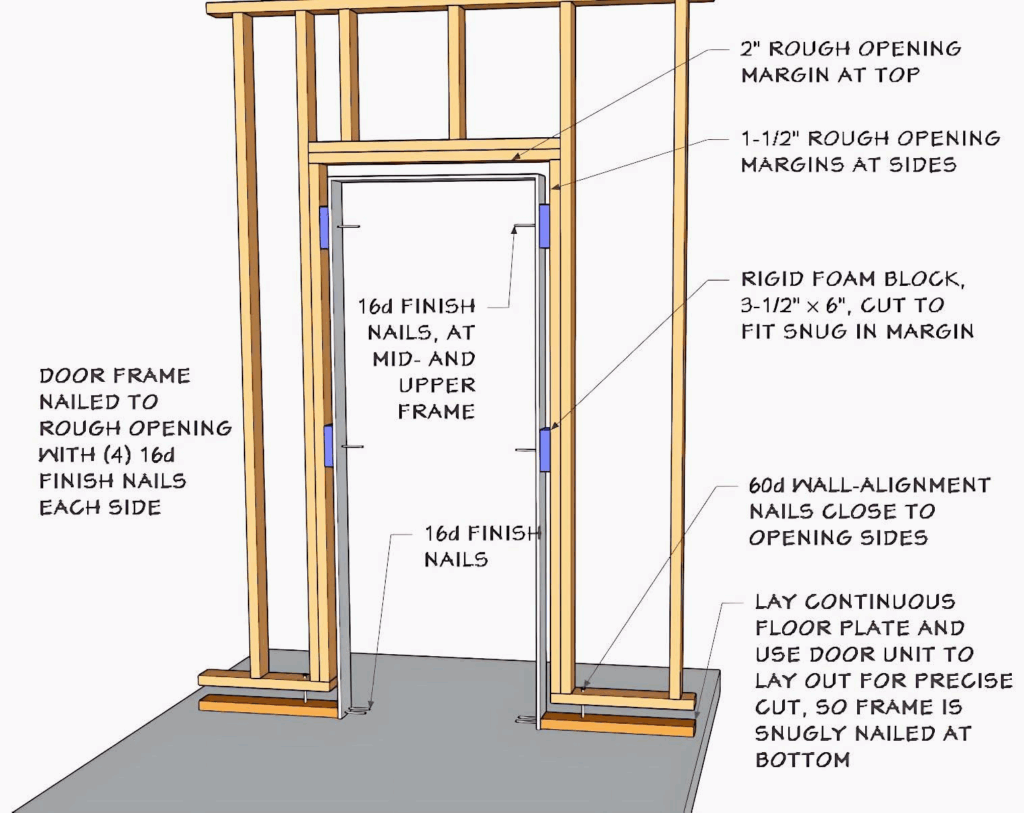
Install king studs, trimmer/jack studs, header, sill (for windows), and cripples as shown in your plan.

3. Plumb and square
Use a 4‑ft level and check both diagonals inside the RO.

Door Options (Pick Your Path)

A) Pre‑Hung Exterior Door (fastest)

Pros: Weatherstripping included, precision fit, quick install.

RO: Follow the manufacturer’s RO (often ~2 in wider and 1 in taller than slab, but verify).

Install basics: Center, shim at hinges and latch, fasten through shims, check reveal, seal sill per instructions.

B) Home‑Built Shed Door (budget‑friendly, classic look)

Pros: Matches panel siding, simple hardware, custom sizes.

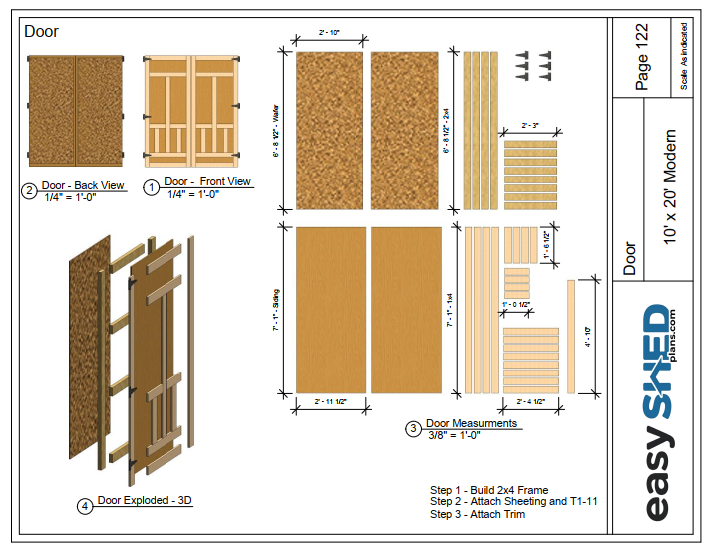
Core build: Use exterior‑grade panel or frame‑and‑panel; add diagonal brace from lower hinge side to upper latch side.

Hardware: Heavy‑duty hinges, hasp/lockset, and weather trim at jambs/head.

Pre‑Hung Exterior Door (fastest)
Build a Simple Panel Shed Door (Step‑By‑Step)

Build a Simple Panel Shed Door (Step‑By‑Step)

1. Layout size
Door slab typically 1/2–3/4 in smaller than the finished opening width; leave clearance at the head and threshold per plan.

2. Cut and frame
Cut a panel to size; add perimeter frame (1× or ripped 2×) glued and screwed; add the diagonal ‘Z’ brace.

3. Edge protection
Seal or cap panel edges per material specs; prime exposed cuts.

4. Hang
Mount heavy hinges to the framed jamb; set the door with a consistent reveal using shims.

5. Latch and stop
Install hasp/lock or handle set; add door stop trim; check for smooth swing.

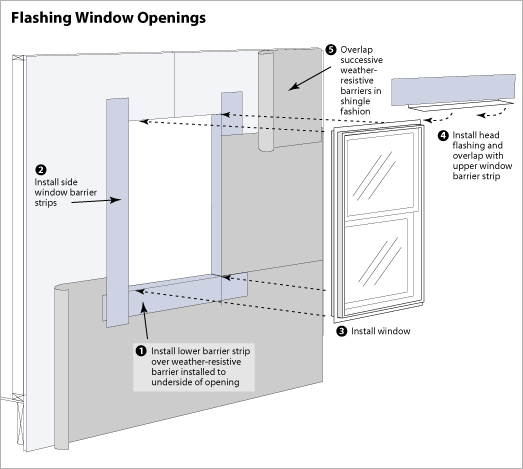
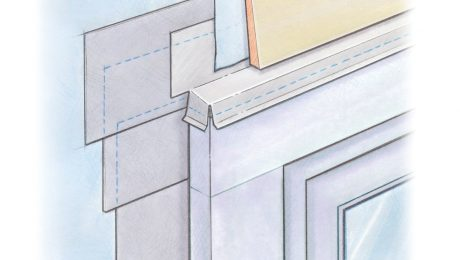
flashing window openings easyshedplans.com

Window Install — Flashing in the Right Order

1. Sill pan or back‑dam
Create a sloped sill with flashing tape or pan; leave small end dams.

2. Set the unit
Center the window in the RO, shim to square; check diagonals; fasten per manufacturer.

3. Jamb tapes
Tape the vertical sides over the nailing fin.

4. Head flashing and head flap
Install head flashing that extends past jambs; fold WRB head flap back down over the flashing.

Weather Details for Doors

Threshold: Keep off grade; use sealant where threshold meets floor/sill.

Head flashing: Metal or flex flashing above door trim; end past jamb casings.

Side seals: High‑quality exterior sealant between casing and siding.

Weather Details for Doors
Tune the Swing and Latch

Tune the Swing and Latch

Plane or sand door edges only if necessary; seal any fresh wood.

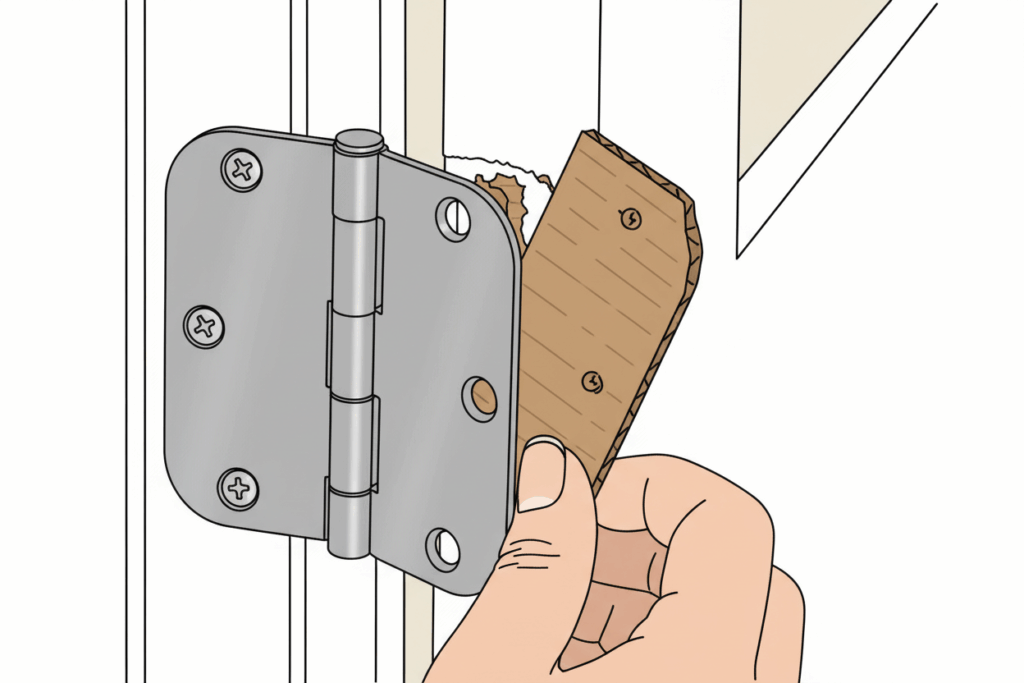
Adjust hinge screws (long screw at top hinge into stud helps resist sag).

Confirm latch/strike alignment; adjust shims behind latch side.

Materials (Doors & Windows Stage)

Pre‑hung door or panel materials and trim for a home‑built door

Hinges, hasp/lock or handle set, screws

Window unit(s) with nailing fins or clips

Flashing tapes, head flashing, sealant compatible with WRB/siding

Shims and backer rod as needed


Your plan set includes over 25 pages of detailed drawings and instructions plus a material list and tool list to match sizes and hardware.

Troubleshooting

Door rubs at the top: Add a long screw in the top hinge into the stud; adjust shims.

Window won’t square: Loosen fasteners on the tight diagonal; re‑shim until diagonals match.

Leaks at head: Confirm head flashing extends past jambs and WRB head flap covers it.

Explore

EASY Step‑by‑Step Build

Follow the sequence or jump to the step you need.

Scroll to Top