
Roof Sheathing and Roofing

What You’ll Learn

* Lay out, gap, and fasten roof sheathing so it stays flat
* Install synthetic underlayment and drip edge in the right order
* Shingle basics (starter → courses → ridge)
* Metal basics (panel layout, fastening, closures)

Time: Half day to one day, depending on size and crew.

Tools: Circular/track saw, chalk line, hammer/nailer, drill/driver (for metal), utility knife, shears/snips, roller for flash tapes, PPE, roof brackets (if needed).

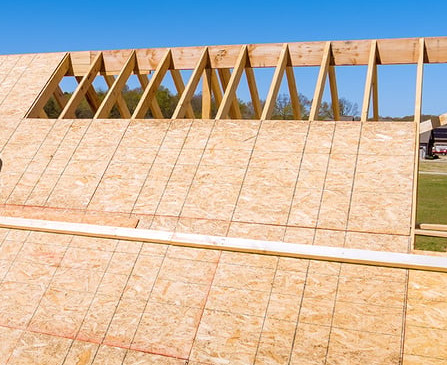
roof decking

Roof Sheathing (Decking)

Staging and safety
Use roof jacks/planks when needed. Keep cutoffs controlled; no loose panels.

Layout & gaps
Start at the eaves. Stagger seams and maintain 1/8 in gaps at panel ends/edges (use spacers or panel tongues). Orient the long edge perpendicular to rafters/trusses.

Edge support
Use H‑clips where required by your plan or local practice.

Fastening
Typical schedule: 6 in O.C. at panel edges, 12 in O.C. in the field into framing. Keep nails/screws flush, not over‑driven.

Flush and square
Snap lines along rafter tails; trim overhangs straight for fascia/drip edge.

Underlayment and Drip Edge (Order Matters)

Underlayment
Roll synthetic underlayment from eave to ridge with proper overlaps; wrap over ridge by a few inches.

Drip edge sequence
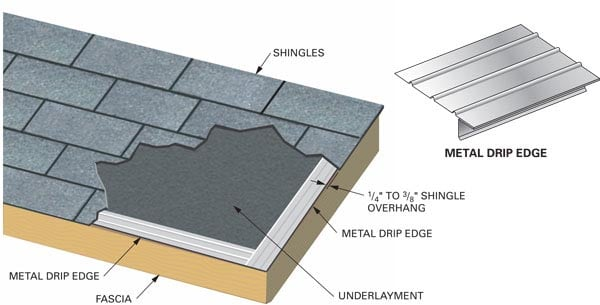
Install eave drip edge first (over underlayment at eaves when using some synthetics, per manufacturer), then underlayment on the rakes if required, then rake drip edge. Follow the underlayment and metal manufacturer’s order notes for your specific products.

Ice barrier (if used)
In cold climates, add self‑adhered ice barrier at eaves per local code.

drip edge illustration
How to roofing

Path A — Asphalt Shingles (Straightforward & Durable)

Starter course
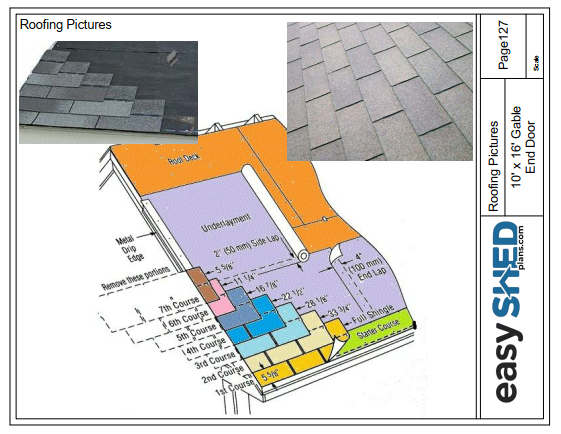
Install a starter strip along the eaves with adhesive at the edge; align perfectly straight.

Field courses
Snap horizontal lines every 5 in (typical). Stagger end joints per manufacturer. Nail in the nailing zone.

Valleys and penetrations
Use valley metal or woven/closed‑cut methods per spec. Flash pipes/vents with boots and sealant.

Ridge cap
Install cap shingles or ridge cap system. Pair with soffit intake for balanced ventilation if using a ridge vent.a

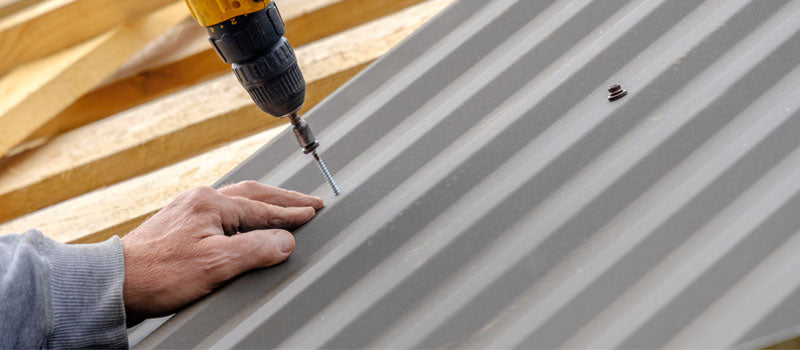
metal roofing screws installation

Path B — Metal Panels (Clean and Long‑Lasting)

Plan the layout
Square the first panel at a rake or eave; keep consistent overhang.

Fasten correctly
Use manufacturer‑approved screws with neoprene washers in flats or ribs as specified. Do not over‑compress washers.

Seams and closures
Use closure strips at eaves and ridge; lap sealant where required; keep panels aligned across the roof.

Ridge cap
Install ridge cap with matching screws and closures; maintain ventilation path if designed.

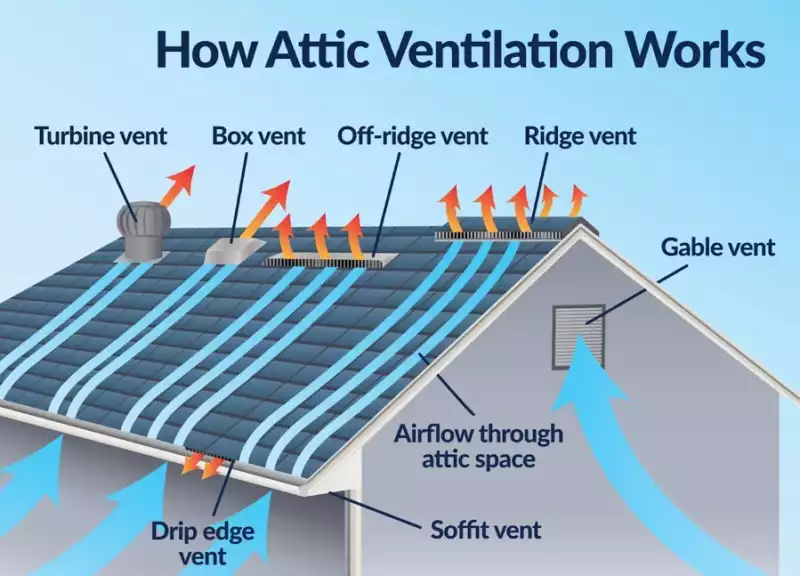
Ventilation Touchpoints

Ridge + soffit: Balanced system for gable roofs.

High‑wall vent (lean‑to/modern): Intake low, exhaust near the high wall or ridge line.

Gable vents: A Simple alternative for small sheds without soffits.A

roof ventilation

Materials (Roofing Stage)

Roof sheathing (OSB/plywood) per plan; H‑clips if required

Synthetic underlayment and optional ice barrier

Drip edge (eave and rake), flashing for valleys/penetrations

Asphalt shingles or metal roof panels with fasteners and closures

Your plan set includes over 25 pages of detailed drawings and instructions plus a material list and tool list to match sizes and hardware.

Troubleshooting

Deck feels wavy: Check rafter/truss plane; add blocking where needed, verify H‑clips, and refasten loose edges.

Shingles lifting: Re‑seat with proper nails in the nailing zone; ensure starter adhesive is at the eave.

Metal oil‑canning: Avoid over‑tightening screws; keep panels aligned and fasteners in correct locations.

Leaks at ridge/eave: Confirm closures and cap installation; ensure underlayment laps and drip edge order are correct.

Explore

EASY Step‑by‑Step Build

Follow the sequence or jump to the step you need.

Scroll to Top